Due Diligence Checklist for Buying Land: Full Guide
Acquiring a piece of land is a significant investment that requires careful consideration. It’s not just about finding a property you love; it’s about conducting due diligence to ensure your hard-earned money is going into a sound investment.
CheapLandFarm.com is here to guide you through the process with the ultimate due diligence checklist for buying land so you can buy with total confidence.
Crucial Steps for Your Land Buying Due Diligence
1. Title Search and Property Verification
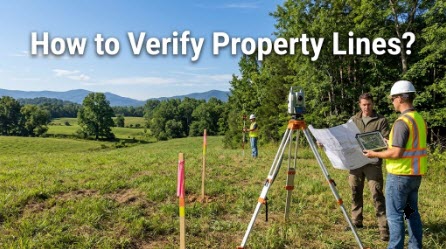
Initiate a comprehensive title search to confirm legal ownership of the land. You should also verify the existence, boundaries, and size of the plot against official county land records. Ensure the land is free from any liens, legal disputes, or hidden claims which could complicate or halt the purchase process.
2. Zoning and Land Use Check
Understand local zoning laws and regulations before signing any paperwork. Check whether the land falls under commercial, residential, agricultural, industrial, or mixed-use formatting. Zoning dictates what you can build and how you can use the property, making it a critical component of your due diligence checklist for buying land.
3. Land Condition and Topography
Conduct a physical survey of the property to assess its topographical and environmental conditions. A professional evaluation will establish critical details such as structural soundness for building, soil quality (important for septic systems or farming), drainage systems, and potential risks for land erosion or flooding.
4. Utilities and Infrastructure Access
Never assume a plot of land has easy access to basic necessities. Check the availability of essential utilities like grid power, water sources (city water vs. digging a well), and sewer systems (or septic suitability). Additionally, evaluate the existing infrastructure in the vicinity, such as maintained roads, transport networks, schools, and hospitals, as these amenities directly impact the long-term value and usability of the property.
5. Comprehensive Financial Evaluation
Consider the total cost of ownership, not just the raw purchase price. Your financial due diligence must account for annual property tax obligations, potential construction and clearing costs, utility connection fees, and the long-term financial implications of holding the land. Properly evaluating these numbers ensures the property fits your budget and provides a solid ROI.
6. Hire a Professional Inspection Team
While a DIY check is a good start, it’s highly wise to hire professionals. Bringing in certified land inspectors, surveyors, property valuers, or environmental consultants can unearth hidden issues—like protected wetlands or easement restrictions—that might not be obvious to the naked eye. Spending a little upfront on professionals saves you from massive future disappointments and financial losses.
Final Thoughts on Buying Land Safely
Remember, this due diligence checklist for buying land is a foundational guide, but depending on the land’s nature and your intended use, you may have to dig deeper. Because real estate laws governing land purchases vary significantly from county to county and state to state, always consult a local property lawyer or real estate professional for personalized assistance.
Owning land is a lifelong dream for many, but turning that dream into a fruitful reality requires careful planning. While the process might seem daunting, don’t fret! Here at CheapLandFarm.com, our team of experts is always available to guide you through your entire land-buying journey.
Visit CheapLandFarm.com to explore our available properties and learn more about our seamless buying process. Our professional and friendly team is always ready to help you make informed decisions. Reach out to us today and take one step closer to your land ownership dream!