Vacant Land Vs. Raw Undeveloped Land
When looking to invest in real estate, you will frequently encounter terms like “vacant land” and “raw land.” While these phrases are often used interchangeably by regular buyers, there are critical distinctions between them. Understanding the difference between vacant land vs raw undeveloped land is essential before making a purchase, as it directly impacts your development costs, zoning permissions, and financing options.
What is Vacant Land?
Vacant land refers to a property that is not currently being used and does not have any active structures on it. However, the defining characteristic of vacant land is that it usually possesses some level of infrastructure.
It may have been previously developed, cleared, or used for a specific purpose in the past—such as agricultural, residential, or industrial use. Vacant land is commonly found in urban or suburban areas where an old structure has been demolished or abandoned, leaving the plot ready to be redeveloped. Crucially, vacant land often features existing hookups to essential public utilities, such as electricity, water, and sewer lines.
What is Raw Undeveloped Land?
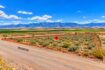
Raw undeveloped land, on the other hand, is a plot of earth that has never been altered, developed, or serviced by utilities.
Typically found in rural locations, raw land is completely untouched. It features no existing structures, no paved roads, and zero utility infrastructure. If you purchase raw undeveloped land, you are quite literally buying a blank canvas of nature. Because it hasn’t been built upon, it is frequently zoned for agricultural, conservation, or low-density rural uses.
Key Differences: Vacant Land vs Raw Undeveloped Land
To make the best investment decision for your budget and goals, it helps to weigh these two property types side-by-side.
| Feature | Vacant Land | Raw Undeveloped Land |
| Prior Use | May have been previously developed or cleared | Completely untouched by development |
| Infrastructure | Often has access to utilities, roads, or meters | No utilities, no sewage, no paved road access |
| Location | Commonly found in urban or suburban zones | Mostly found in remote or rural areas |
| Upfront Cost | Higher purchase price due to utility accessibility | Cheaper per acre to purchase initially |
| Development Cost | Lower; site prep is minimal | Higher; requires clearing, grading, and utility lines |
Financing and Due Diligence
Your choice between these two types of land will also change how you fund your purchase:
-
Financing Hurdles: Securing a land loan for raw undeveloped land is notoriously difficult for traditional banks because there is no immediate collateral or utility access. Vacant land is generally much easier to finance.
-
Zoning and Access: Before buying raw land, you must perform deep due diligence regarding easement rights (ensuring you have legal road access to your property) and soil perc testing (to verify if a septic system can even be installed).
Summary
In summary, vacant land is a property that is temporarily idle but possesses utility access or past development. Raw undeveloped land is completely untouched terrain that requires a significant investment to bring in infrastructure. Both property types can be incredibly valuable assets—it all depends on your budget, timeline, and goals for the land.